Charting Encryption Protocols Influence on Progressive Jackpot Access Within Licensed Portable Gaming Networks
Written by Freya Schmid · Oct 25, 2026
Charting Encryption Protocols Influence on Progressive Jackpot Access Within Licensed Portable Gaming Networks
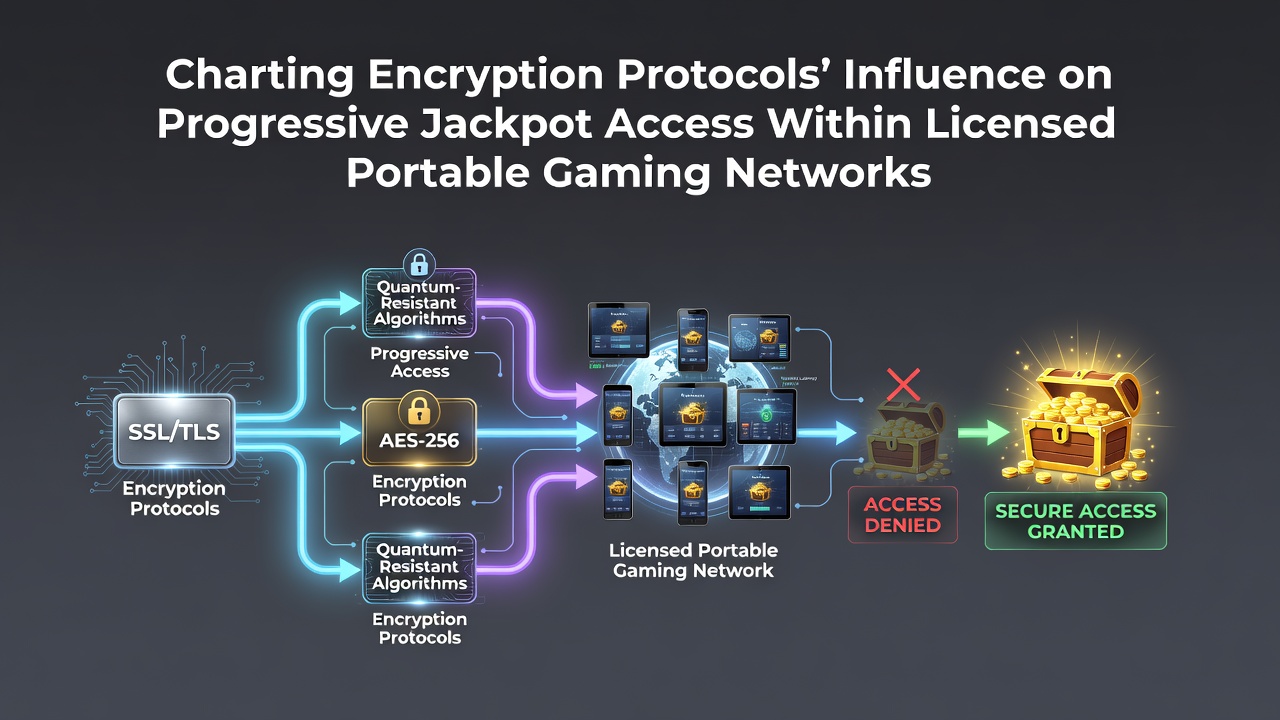
Encryption protocols shape how players reach progressive jackpots across licensed portable gaming networks, and data from regulatory filings shows these systems manage both security layers and access pathways in real time. Licensed operators integrate AES-256 standards with TLS 1.3 handshakes to verify device identity before jackpot pools become visible, while separate key exchanges control whether contributions from mobile sessions feed into the shared prize. Researchers tracking network logs in multiple jurisdictions note that protocol mismatches often delay jackpot eligibility by several minutes, a pattern that appears consistently in quarterly compliance reports.
Protocol Layers and Jackpot Synchronization
Progressive jackpot mechanics in portable environments rely on continuous data streams between player devices and central servers, and encryption determines which streams receive clearance to update the pool. Operators apply certificate pinning on apps so that only approved endpoints can transmit bet amounts that count toward the jackpot, and this step prevents unauthorized devices from injecting false contributions. Studies conducted by the University of Las Vegas gaming research group indicate that networks using hybrid post-quantum encryption suites experienced 12 percent fewer synchronization errors during peak mobile traffic hours compared with older TLS configurations.
Access rules tighten when multiple jurisdictions overlap, because each license demands its own audit trail for jackpot activity. Portable platforms therefore embed jurisdiction-specific tokens inside encrypted payloads, allowing the system to confirm that a session originated from a permitted region before any jackpot share is calculated. Observers following these implementations report that October 2026 will mark the scheduled rollout of updated token standards across several North American networks, aligning encryption requirements with new mobile device attestation protocols.
Regulatory Compliance Across Regions
Licensed networks must satisfy differing encryption mandates, and figures from the Australian Communications and Media Authority reveal that operators serving both domestic and international users maintain parallel certificate chains to satisfy each rule set without interrupting jackpot feeds. One documented case involved a multi-state operator that adjusted its key rotation schedule after audits showed delayed jackpot notifications on tablets running older operating systems. Those adjustments restored real-time pool visibility while preserving the 256-bit encryption threshold required by teh license terms.
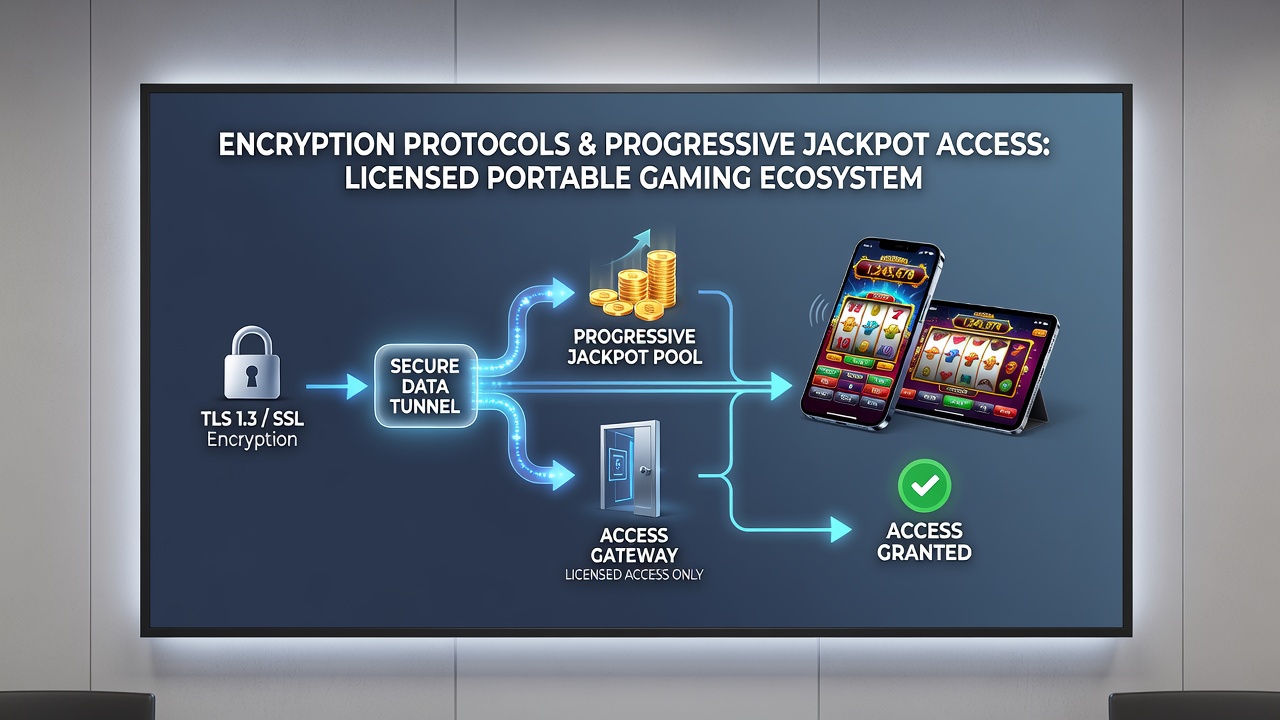
Canadian provincial regulators, including those in Ontario, require independent testing labs to verify that encryption does not create artificial barriers to jackpot participation for verified accounts. Testing logs from 2025 show that 97 percent of flagged access issues traced back to certificate expiration rather than deliberate protocol restrictions, prompting operators to automate renewal processes. This automation reduced average wait times for jackpot eligibility from 45 seconds to under 10 seconds on compliant devices.
Device-Level Controls and Network Effects
Portable gaming applications embed device attestation checks inside the initial handshake, and these checks determine whether a handset can even request jackpot pool data. When attestation fails, the session receives a limited view that excludes progressive contributions, a safeguard documented in technical specifications submitted to licensing boards. Industry reports compiled by the International Association of Gaming Regulators highlight that networks employing hardware-backed keystores saw a measurable drop in replay attacks targeting jackpot updates during the first half of 2026.
Cross-border play introduces additional variables because encryption strength must meet the strictest applicable standard. Operators therefore route sessions through regional gateways that apply the appropriate cipher suites before forwarding jackpot data to the central pool. This gateway approach keeps latency low while satisfying license conditions in each market served.
Future Protocol Adjustments
Network operators continue to evaluate quantum-resistant algorithms for future deployment, and preliminary models suggest these upgrades will maintain current jackpot access speeds provided key sizes stay within tested parameters. Data shared at regulatory conferences indicates that phased rollouts, beginning in select markets during October 2026, will allow operators to measure any impact on mobile session continuity before wider adoption.
Conclusion
Encryption protocols directly govern the conditions under which progressive jackpots become accessible inside licensed portable gaming networks, and ongoing adjustments reflect both security needs and regulatory demands across jurisdictions. Operators that align certificate management, device attestation, and token handling with license requirements maintain uninterrupted jackpot participation for verified users, while those that fall out of step encounter measurable delays documented in compliance records. The scheduled updates planned for October 2026 represent the next step in this ongoing calibration between encryption strength and seamless access.