Intersections of Membership Advancement and Betting Methodologies in Portable Environments Featuring Both Mechanical Reels and Human Dealers
Written by Freya Schmid · Sep 13, 2026
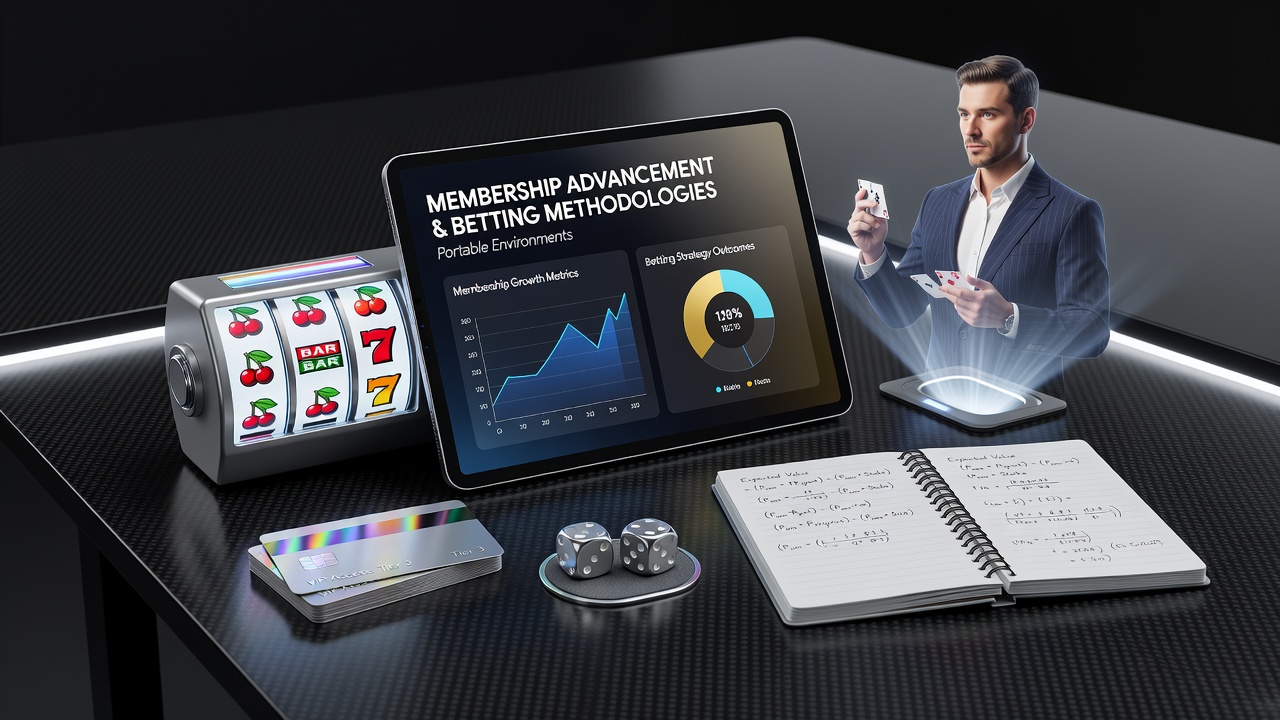
Intersections of Membership Advancement and Betting Methodologies in Portable Environments Featuring Both Mechanical Reels and Human Dealers
Portable casino platforms now integrate membership advancement systems that track activity across mechanical reel games and live dealer tables in a single application environment, and data from regulatory reports shows how betting patterns influence tier progression rates. Studies conducted by the Nevada Gaming Control Board indicate that mobile users who alternate between reel spins and card-based sessions accumulate points at different velocities compared to those focused on one category alone.
Tracking Tier Progression Across Game Formats
Membership systems award points based on wager volume and game type with mechanical reels often generating points per spin while live dealer interactions credit points according to table limits and session duration. Observers note that players who apply structured betting approaches such as progressive systems on dealer tables can accelerate tier climbs when those methods align with minimum bet thresholds required for bonus multipliers. Research from the University of Nevada Reno highlights how consistent participation in both formats creates compounded advancement curves because point multipliers frequently stack across categories during promotional windows.
Betting Patterns and Their Influence on Mobile Loyalty Metrics
Betting methodologies in portable settings range from flat wagering on reels to escalation sequences at live tables, and each approach interacts differently with loyalty algorithms. Flat betting on mechanical reels tends to produce steady point accrual over extended sessions whereas table-based progressions can trigger rapid tier jumps during winning streaks but also risk larger drawdowns that affect overall engagement duration. Figures released in September 2026 by the Singapore Casino Regulatory Authority reveal that mobile applications record higher average session lengths when users combine reel-based flat bets with selective table escalations rather than relying solely on one method.
Integration Challenges in Hybrid Mobile Ecosystems
Application developers face technical demands when synchronizing point ledgers between automated reel engines and real-time dealer interfaces because latency differences can delay point updates. Those who've examined platform architectures report that successful systems employ unified ledgers that update after each reel spin or dealer resolution regardless of format. This synchronization allows membership levels to reflect total activity without favoring one game type over another and permits users to unlock tier benefits such as faster withdrawals or personalized table limits based on combined histories.
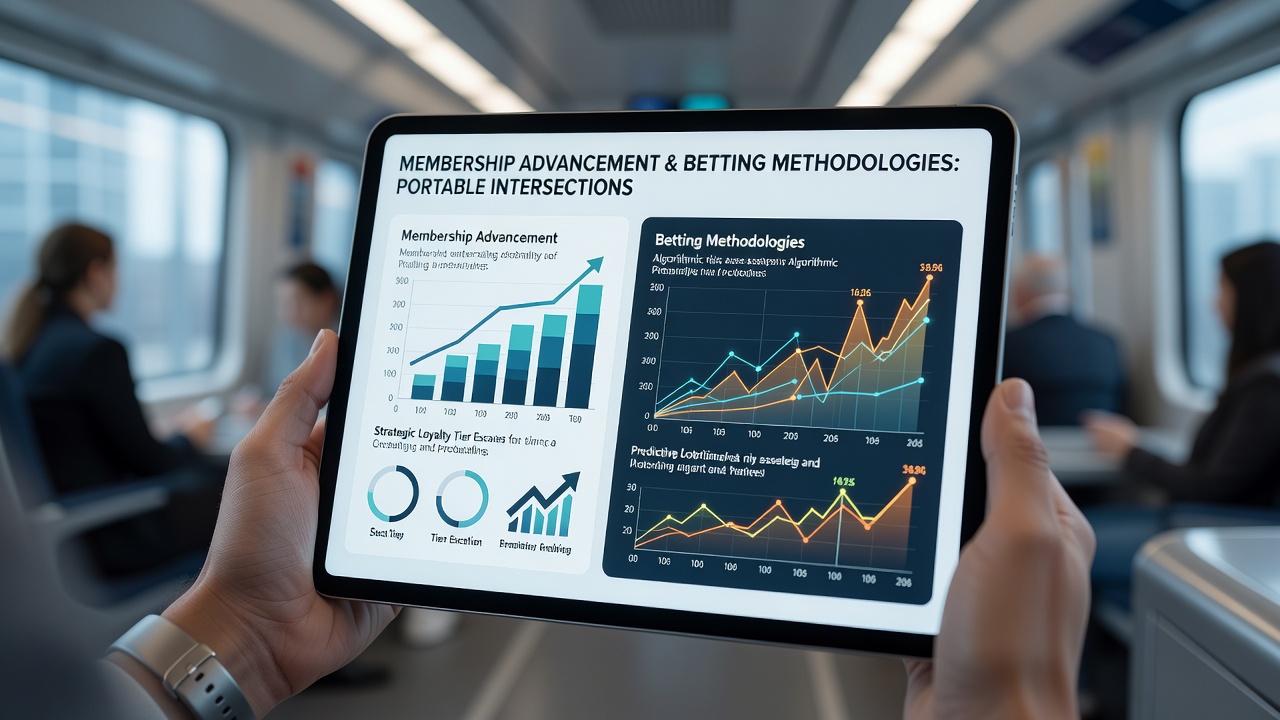
Regional Regulatory Perspectives on Combined Play
Authorities in multiple jurisdictions monitor how membership systems intersect with betting strategies to ensure responsible play features remain effective. The Alcohol and Gaming Commission of Ontario requires operators to display real-time point accumulation rates for both reel and dealer categories within mobile interfaces so users understand advancement mechanics. Similar requirements appear in Australian state regulations where operators must log combined activity data for compliance audits and these logs help identify patterns where aggressive betting sequences on tables coincide with accelerated tier movement.
Practical Examples of Cross-Format Advancement
One documented case involves a mobile platform that awarded double points during evening hours for players who placed at least twenty reel spins followed by a live dealer session exceeding a set duration and this structure encouraged balanced participation while advancing users through tiers more rapidly than single-format play. Another instance tracked by industry analysts showed users applying cancellation-based systems at baccarat tables alongside standard reel wagering reached mid-tier status in fewer days than peers who concentrated bets in one area alone. These examples illustrate how operators design incentive structures that reward diversified betting methodologies without altering core game mathematics.
Data Patterns Emerging from Portable Usage
Analytics collected across multiple platforms demonstrate that membership advancement correlates with session diversity because users who engage both mechanical reels and human dealers maintain longer overall activity periods. Reports compiled by the European Gaming and Betting Association indicate seasonal spikes in tier upgrades during periods when promotional multipliers apply simultaneously to reel and table categories. Such patterns suggest that betting methodologies function most effectively for advancement when users distribute activity across formats rather than concentrating efforts.
Conclusion
Portable environments continue to evolve systems that link membership advancement directly to varied betting methodologies across mechanical reels and live dealer tables. Regulatory data from multiple regions shows measurable differences in tier progression based on how players distribute wagers between formats. Operators maintain unified tracking mechanisms that reflect total activity while users benefit from synchronized point systems that respond to both spin volume and table engagement. These intersections shape how membership levels develop within mobile casino applications.